
The complete guide
Buying Guide
Hydroponics Growing System | Hydroponics Kit | Hydro Kits
This hydroponic growing system is extremely simple to assemble & use. Great for beginners, no experience required
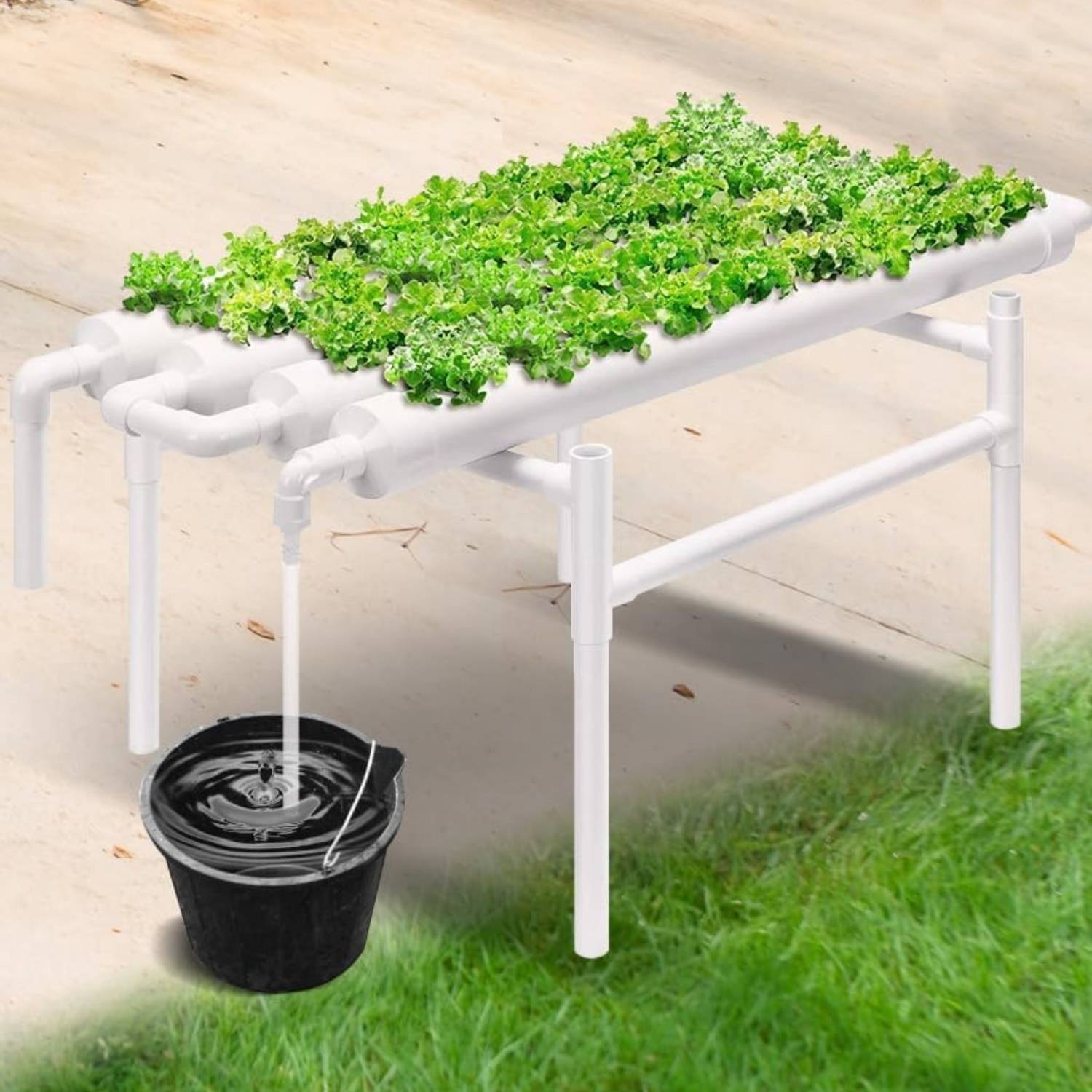
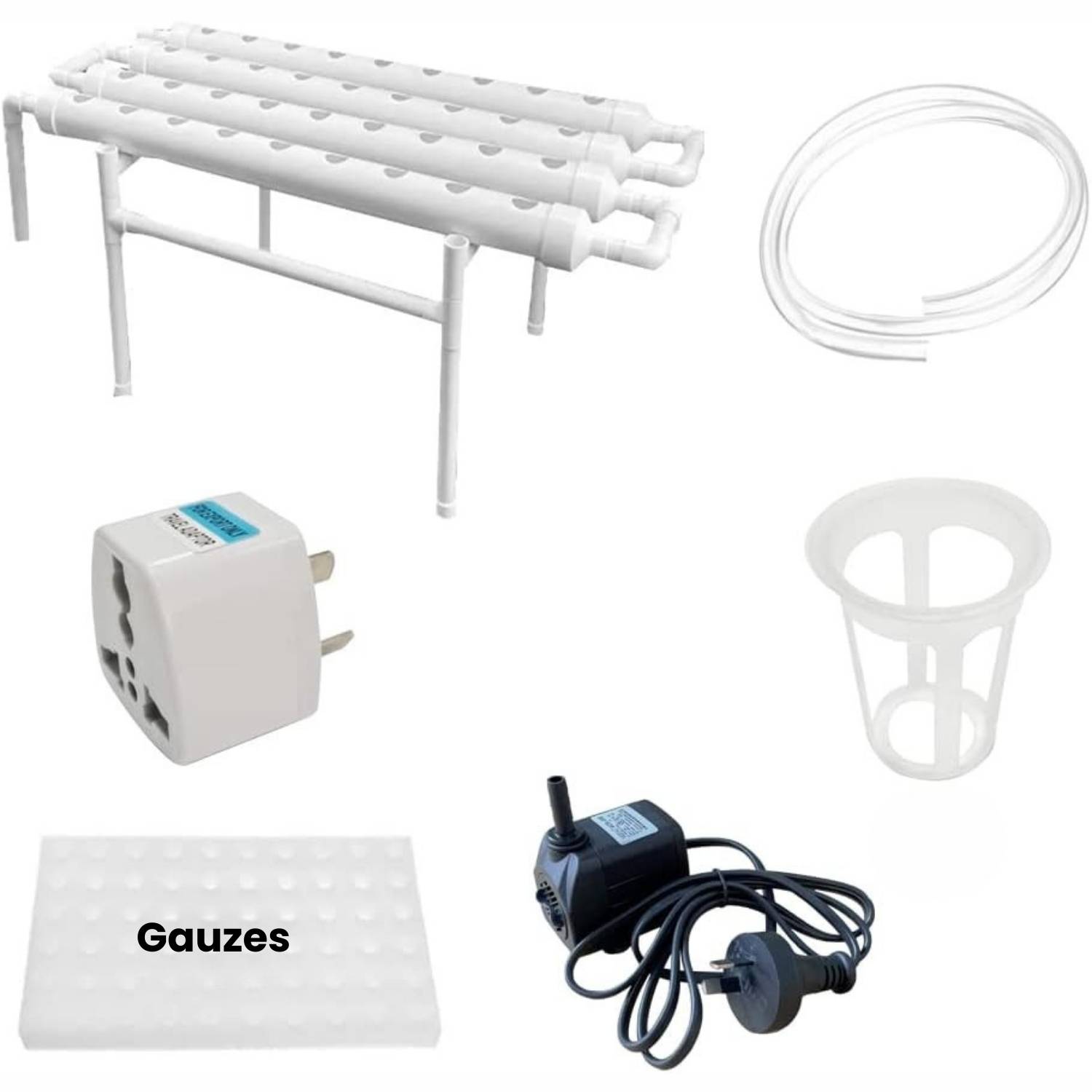
Quick & Easy To Set Up. The complete package features 36 growing positions, an integrated water circulation pump, and all essential hardware for immediate setup.
Free standard delivery across New Zealand on orders of $50 or more ($22 below that).
The stackable configuration fits more growing positions into a small footprint, which suits apartments, patios and indoor spaces where floor area is limited.
SPECIFICATIONS

COMES COMPLETE WITH

Estimated delivery: 5-7 DAYS DELIVERY
Direct To Your Door - All Across New Zealand
All-in-One Hydroponic Growing Kit
This home gardening system has 36 growing positions, an integrated water circulation pump and the hardware to set it up. You add the nutrient solution and the seeds or seedlings.Compact, Vertical Design
The stackable configuration fits more growing positions into a small footprint, which suits apartments, patios and indoor spaces where floor area is limited.User-Friendly Operation
Installation and upkeep are straightforward. The built-in pump keeps the nutrient solution circulating, which keeps watering and drainage simple.Flexible Growing Options
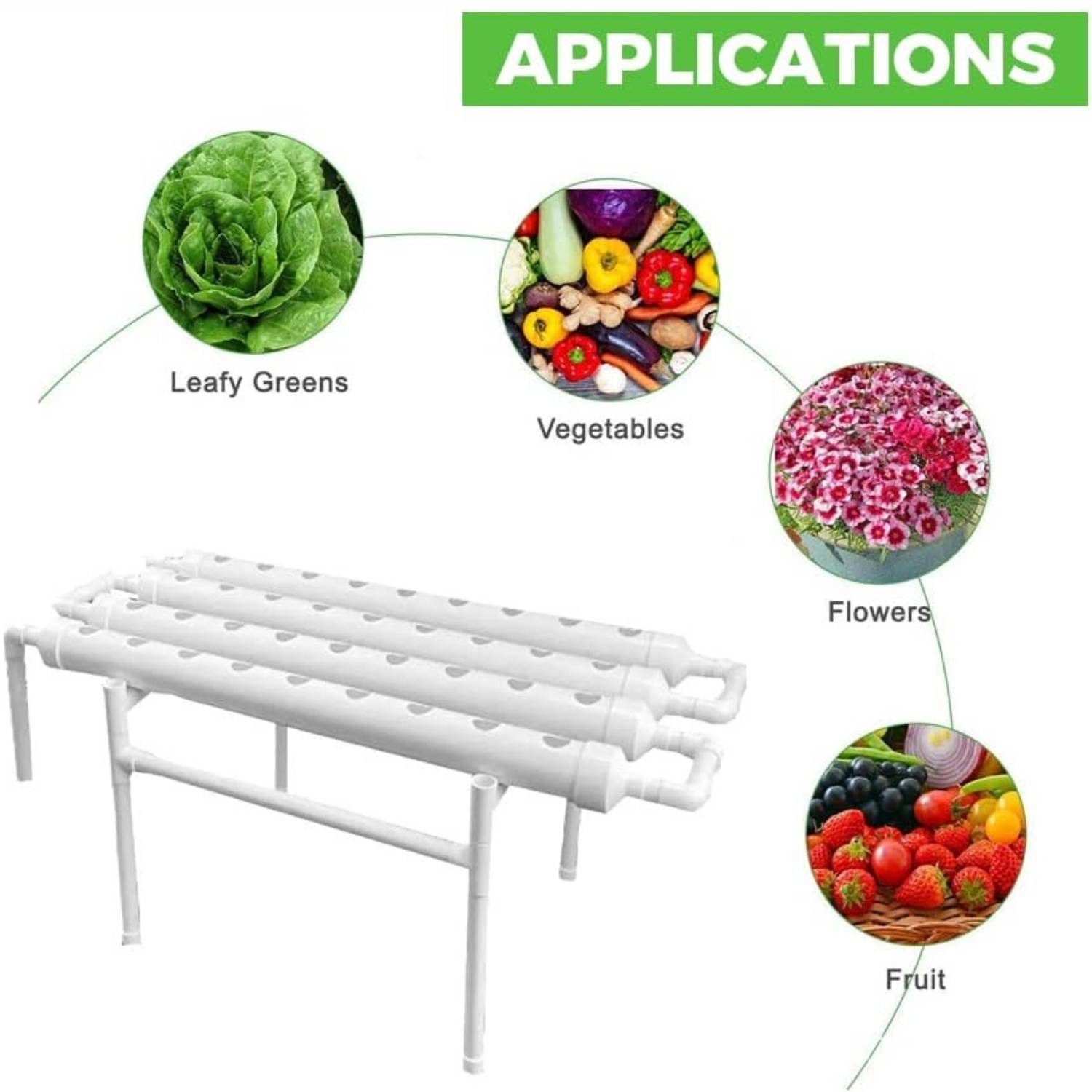
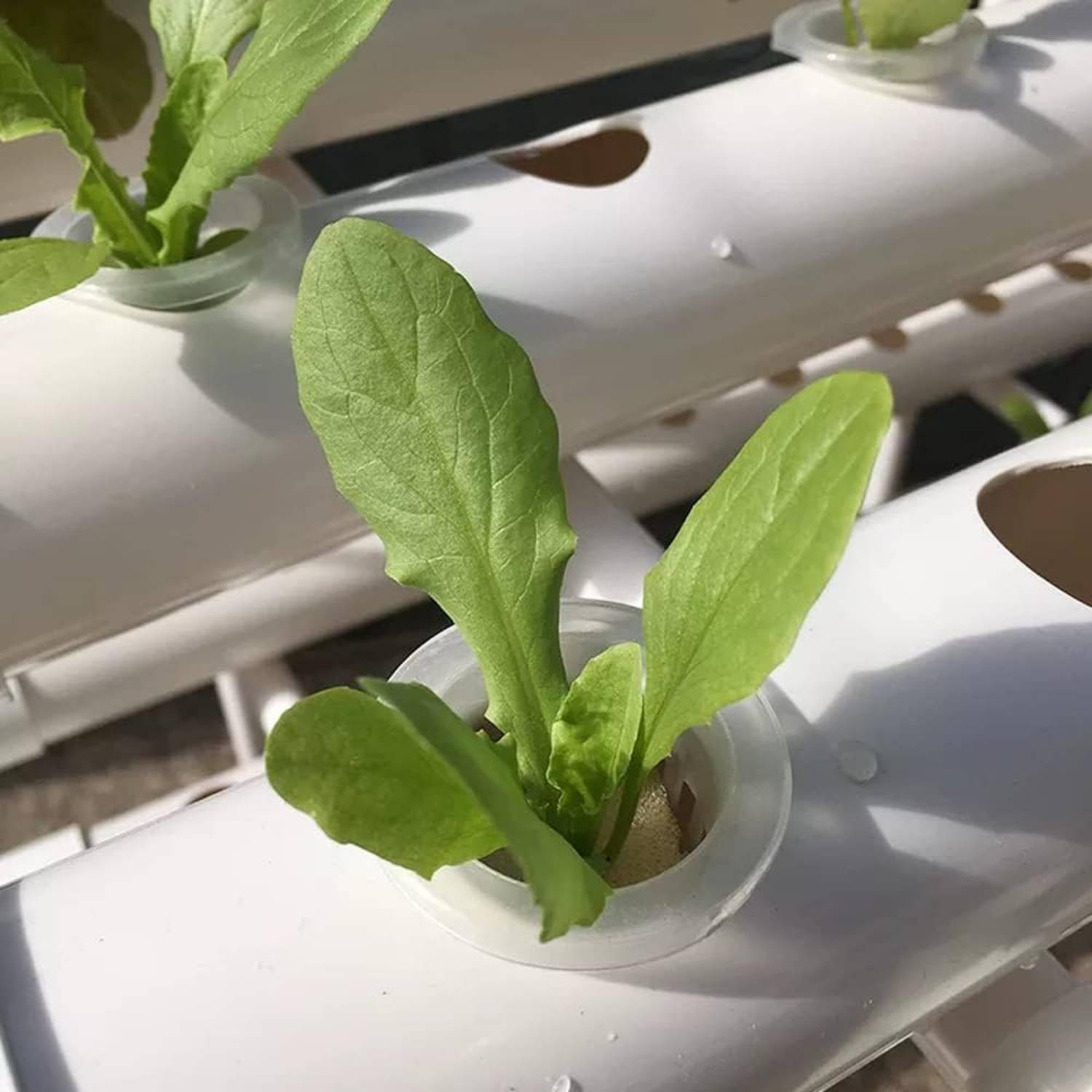
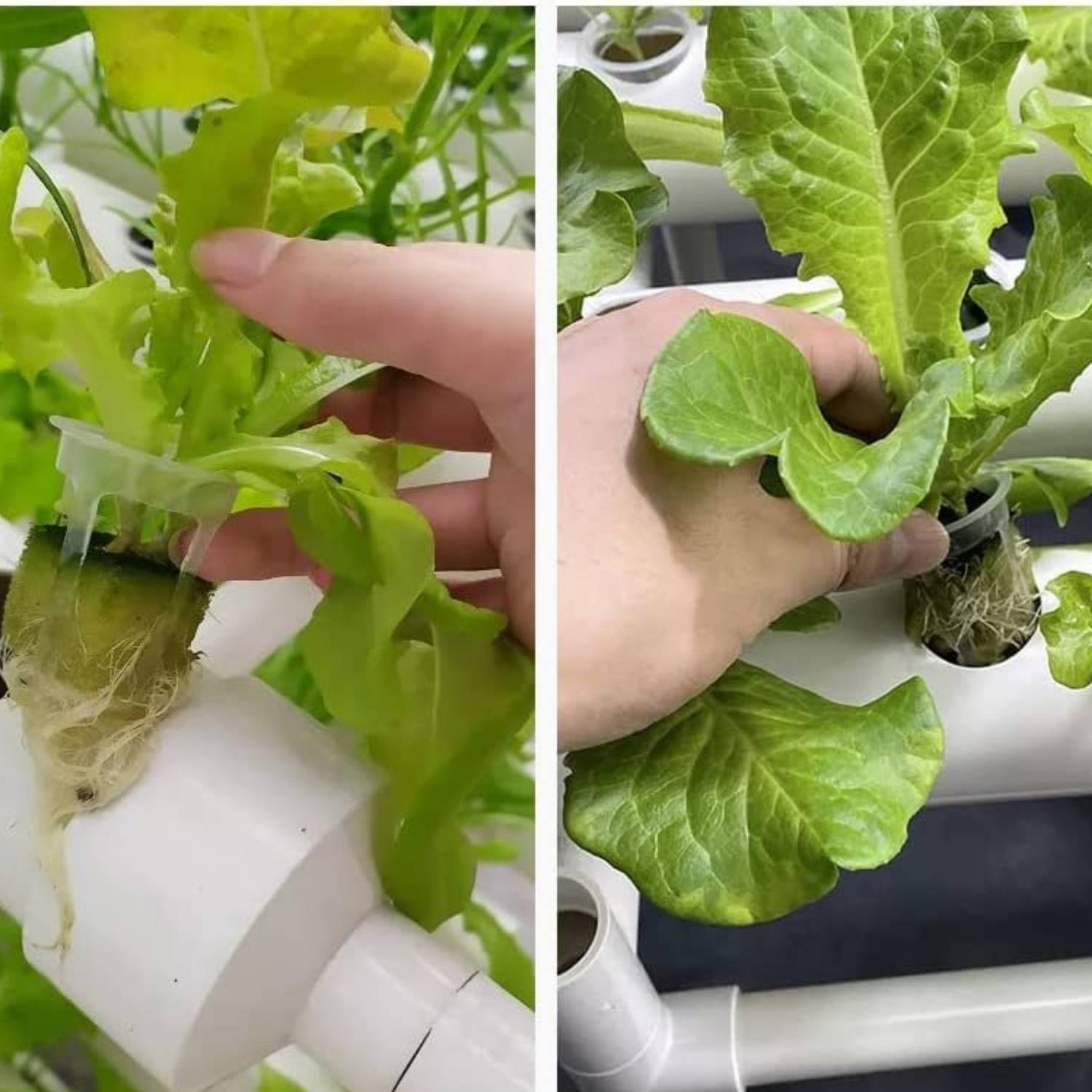
The 36 individual growing stations accommodate diverse plant selections, from leafy greens and herbs to flowering plants. Choose and position the varieties you want to suit your taste and space.


A guide to hydroponics growing systems
A hydroponics growing system grows plants without soil. The nutrient solution delivers water and nutrients straight to the roots, and the system holds the plants up. This guide covers the main system types, the parts that matter and how to set one up.
Types of Hydroponics Growing Systems
Deep Water Culture (DWC)
Plants sit in net pots with their roots hanging in oxygenated nutrient solution. It is a simple system and a common choice for beginners, and it suits leafy greens like lettuce, spinach and kale.
Nutrient Film Technique (NFT)
A thin film of nutrient solution flows past the roots along a gently sloping channel and back to the reservoir. NFT suits herbs and leafy greens.
Ebb and Flow (Flood and Drain)
The containers are flooded with nutrient solution and then drained back to the reservoir, so the roots get both nutrients and air. It can handle a wide range of plants, including tomatoes and peppers.
Drip Systems
Each plant is fed through its own drip line. Drip systems are often used for larger plants with longer growing cycles.
Essential Components of Hydro Kits
Pumps and Circulation
The pump keeps the nutrient solution moving. Keep it clean, never let it run dry, and remember that in a pumped system a pump that stops means the roots stop getting fed.
pH and Nutrient Monitoring
Plants take up nutrients best within a pH range, so a pH meter and an EC or TDS meter are worth having. Meters are sold separately.
Growing Media and Support
Growing media such as expanded clay pebbles, rockwool or coco fibre hold the roots in place while letting water drain and air reach them.
Choosing the Right Hydroponics Kit for Your Space
Space
Measure the space you have, whether it is a balcony, a garage or a spare room, and choose a system that fits it. Stacked and vertical systems fit more plants into a small floor area.
Plants
Let what you want to grow decide the system. Leafy greens and herbs suit DWC and NFT; tomatoes and peppers need a larger system such as ebb and flow or drip.
Running costs
Look at the whole cost: the purchase price, nutrients, electricity for the pump and any lights, and replacement parts.
Setting Up Your Hydroponics Growing System
Location
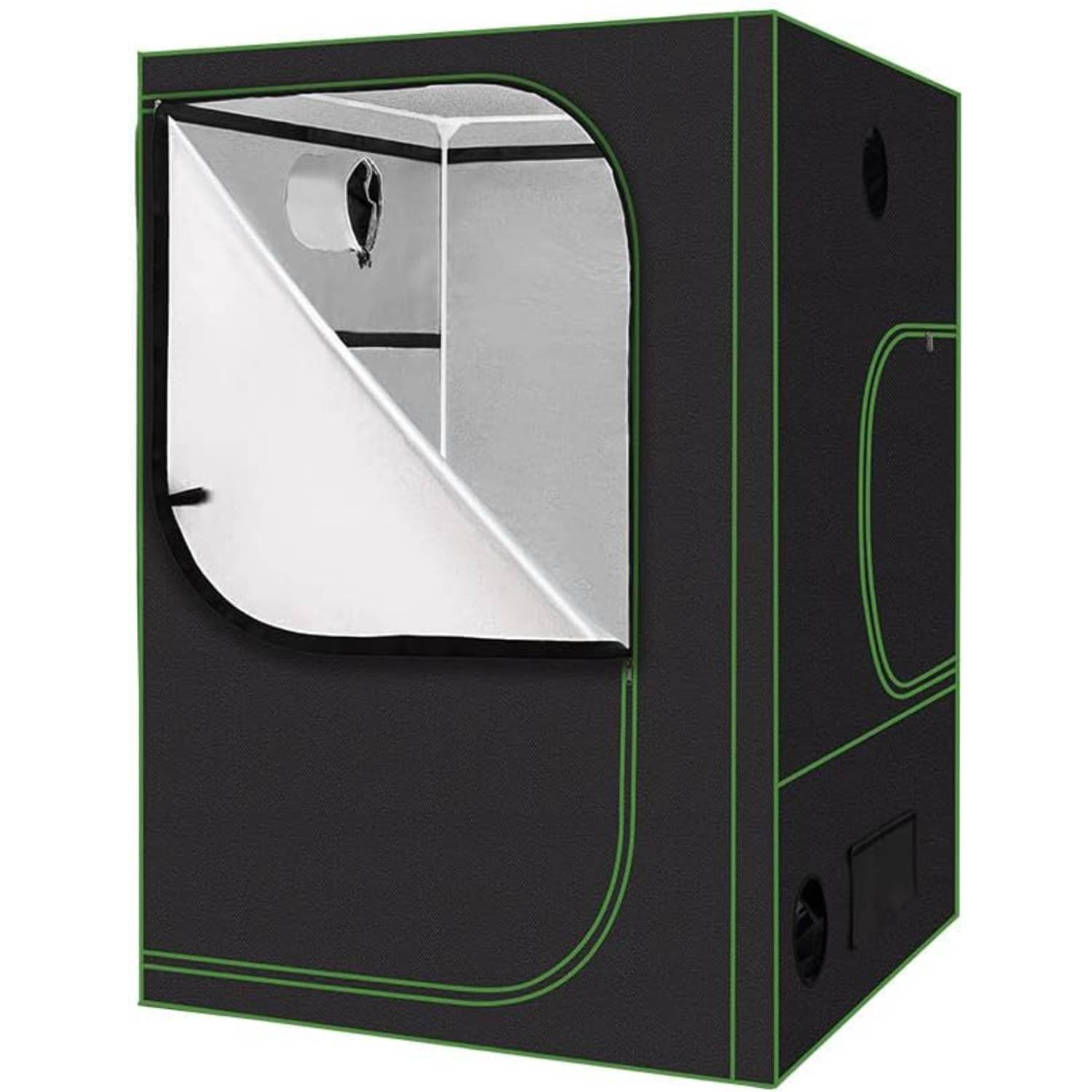
Choose a spot with enough light, natural or from a grow light, steady temperatures, airflow and easy access to water and power.
Assembly and Initial Setup
Follow the instructions, check every connection, and run the system with water before you add plants. A small leak found during testing is easy to fix; the same leak after planting is not.
Nutrient Solution Preparation
Start with clean water, add nutrients according to the maker's instructions, and adjust the pH to suit your plants. Most vegetables prefer slightly acidic conditions, around pH 5.5 to 6.5.