Hydroponics Company New Zealand
Company
Shop By Category
Shop Products
T&Cs
Shop Online
  • Free standard delivery on orders $50+
  • NZD prices
  • NFT and deep water culture systems
  • Tracked delivery across New Zealand

Clay Pebbles | Expanded Clay Growing Media | Hydroponic Clay Balls

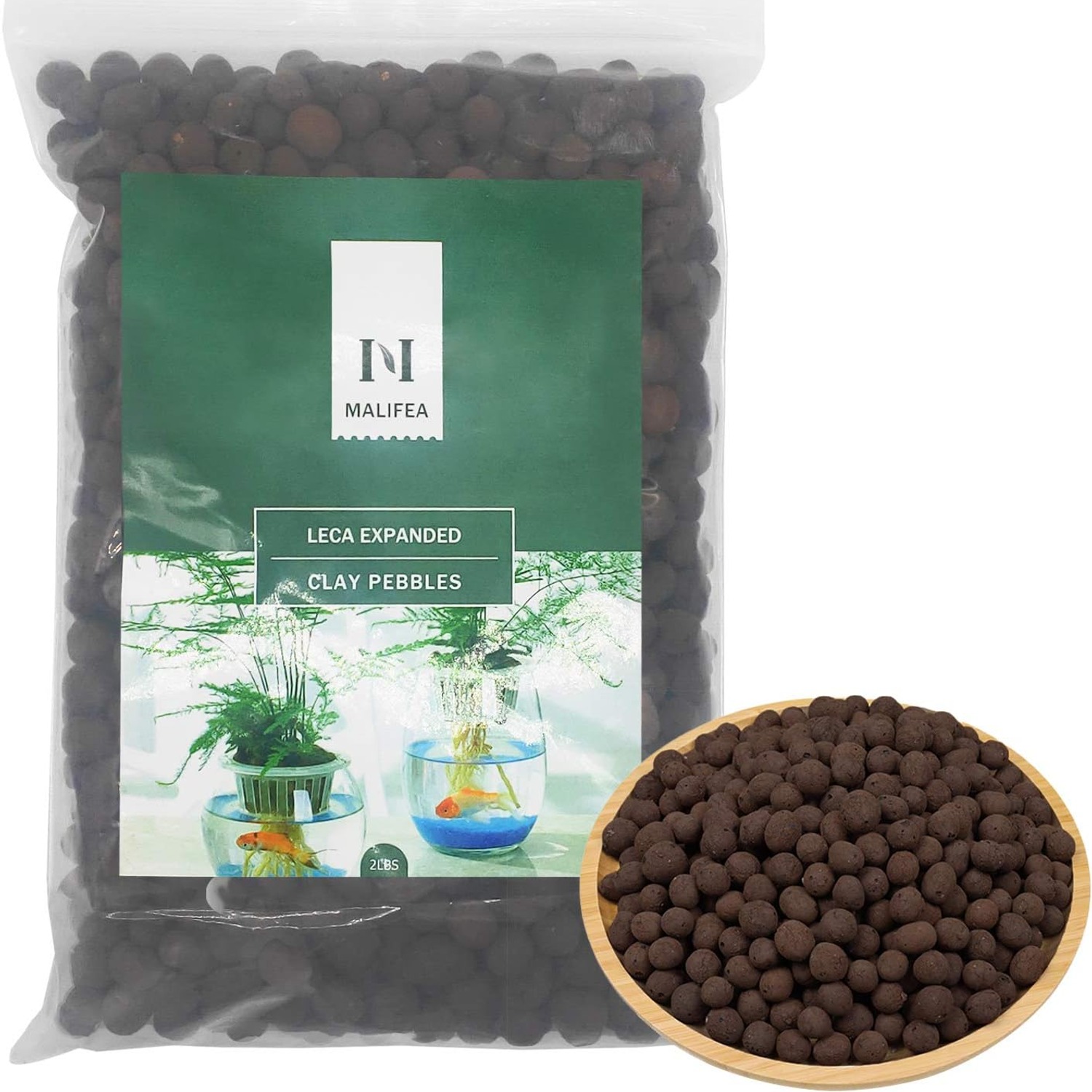
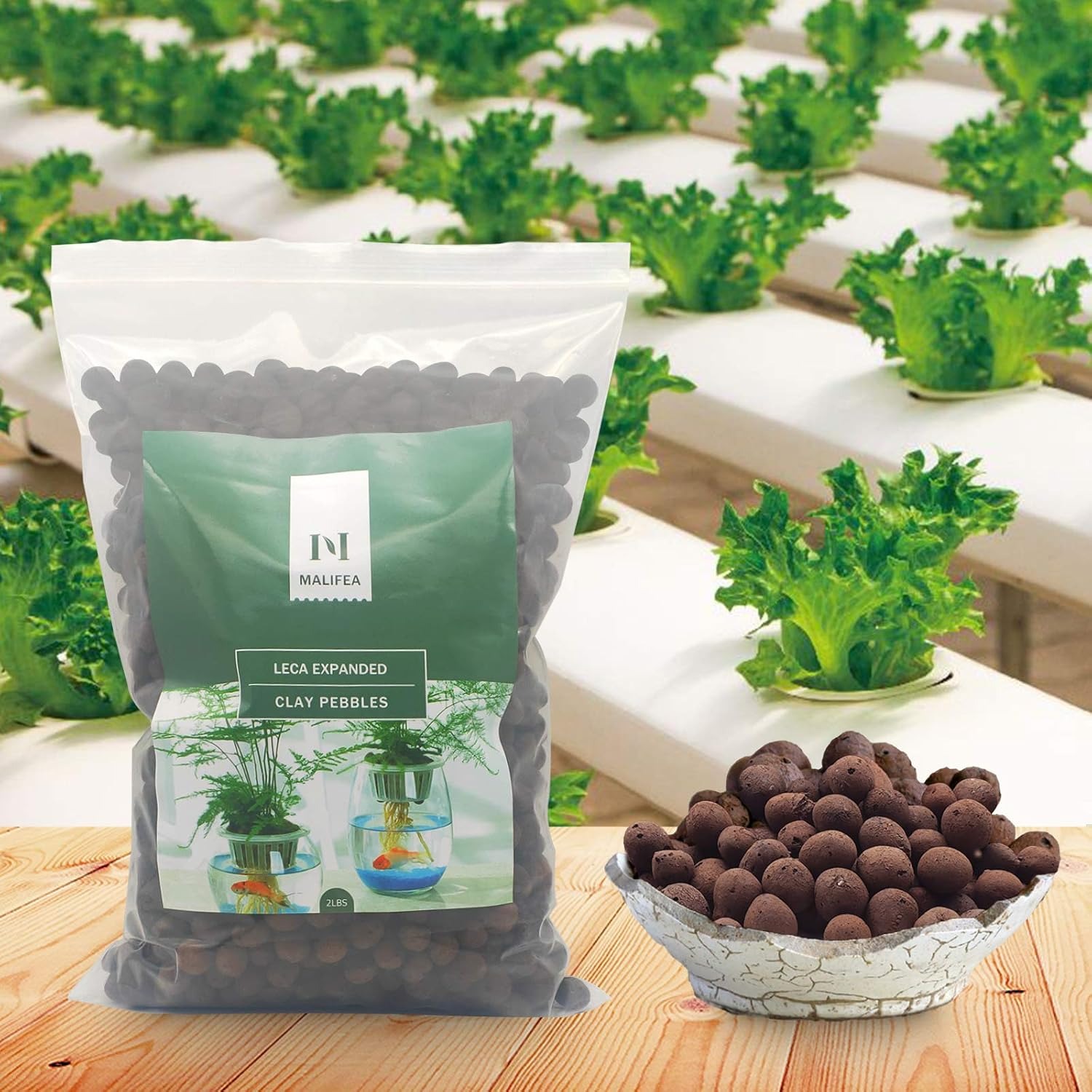
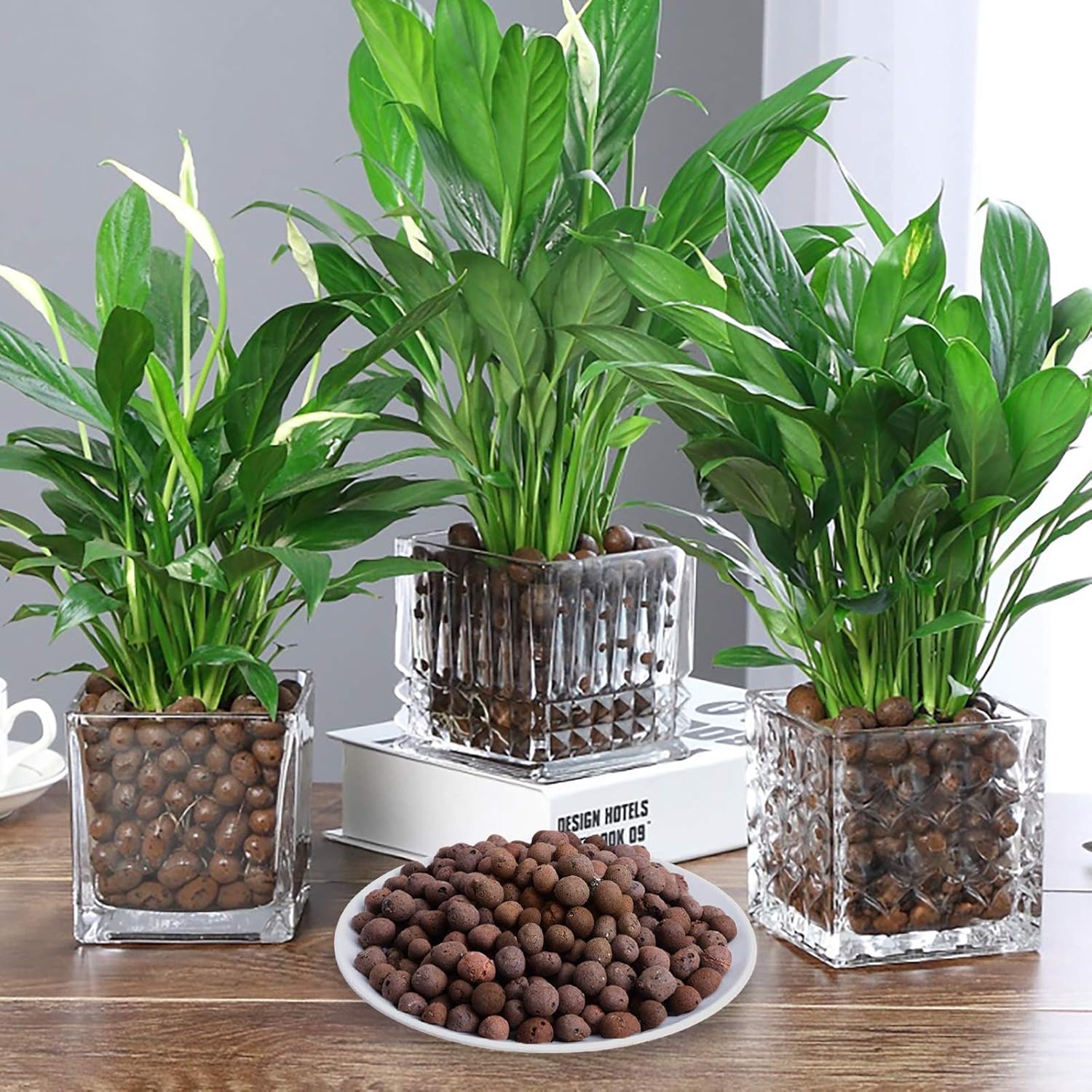
Expanded Clay Pebbles 907g Bag for Hydroponics and Potted Plants

$66.99 $79.99 Save $13
  • Light To Handle
  • Porous Structure
  • pH Neutral
  • Rinse And Reuse

Price: $66.99 $79.99

  • Delivery time: 5 to 7 days, after 24 to 48 hours for handling and processing
  • Free delivery across New Zealand on orders $50+, otherwise a flat $22.00
  • Pay by card or PayPal, handled by the payment provider
  • 15-day change-of-mind policy, plus your Consumer Guarantees Act 1993 guarantees

Often bought together

Product specifications
Pack Weight907 g (approximately 2 lb)
Package Dimensions20.32 x 6.35 x 29.21 cm
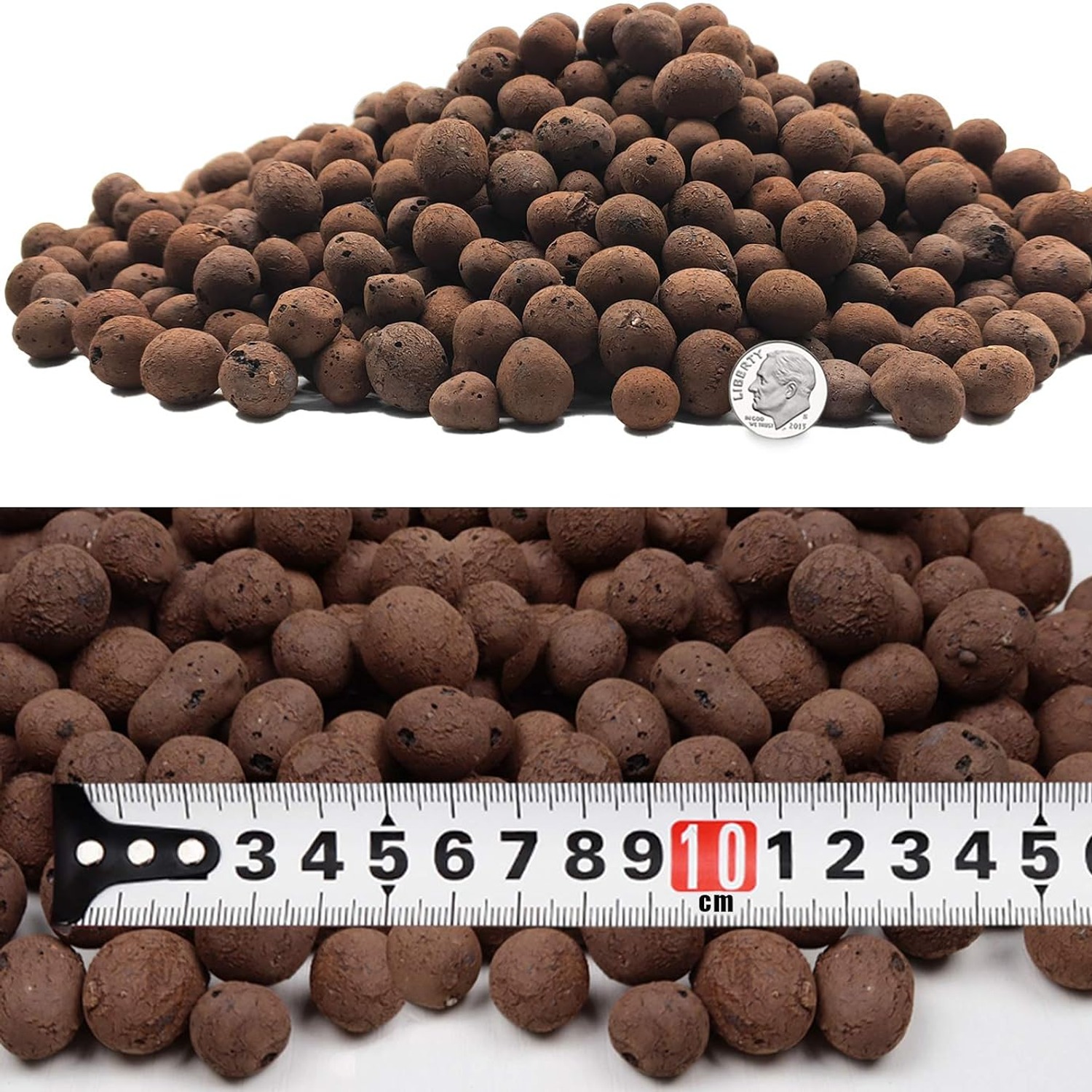
Pebble Size6 to 18 mm
BrandMalifea
Model Numbercp2lbs
ConditionNew
Weight907 g
Shipping & returns

Tracked delivery anywhere in New Zealand. It is free on orders of $50 or more, and a flat $22.00 below that. Allow 5 to 7 days, after a 24 to 48 hour handling time.

This shop's own returns policy gives you 15 days from delivery to change your mind, on every product it sells. Send it back in its original packaging with proof of purchase, with buyer-paid return postage, processed within 24 to 48 hours of the return arriving. You cover the cost of returning it unless the item is faulty.

If it arrives faulty, damaged or not as described, we put it right at no cost to you under the Consumer Guarantees Act 1993's consumer guarantees, with reasonable return costs handled as required by law.

Shipping details · Refunds and returns

Light To HandleMuch lighter than potting soil, so filled pots stay easy to lift and move.
Porous StructureThe open texture lets air move around roots while the pebbles hold water.
pH NeutralAn inert medium that will not push your nutrient solution up or down.
Rinse And ReuseWash the pebbles between crops and put them straight back to work.

Give your herbs and leafy greens a cleaner, lighter root zone with clay pebbles that hold water without turning to mud.

A 907 g bag of 6 to 18 mm expanded clay balls, light, porous and pH neutral, ready to rinse and reuse across pots, net cups and hydroponic systems.

A 907 g bag of expanded clay pebbles sized 6 to 18 mm, suited to small and medium pots as well as net cups.

The baked clay balls are light and porous, so they hold water in their structure while still letting air reach the root zone.

They are inert and pH neutral, which keeps them out of the way when you are mixing a nutrient solution for herbs or leafy greens.

Clay pebbles hold their shape after soaking and do not break down into mud the way some loose media can.

Rinse them before the first use, then wash and reuse them for the next planting instead of starting over.

Expanded Clay Pebbles 907g Bag for Hydroponics and Potted Plants

Soil is fine for a lot of plants, but it is heavy, it compacts over time and it gets messy indoors. Expanded clay pebbles give you another option. These are small balls of clay that have been fired until they puff up, leaving a hard shell and a honeycomb of air pockets inside. The result is a growing medium that weighs very little for its volume, drains freely and keeps its shape when wet.

Expanded Clay Pebbles 907g Bag for Hydroponics and Potted Plants

This bag holds 907 g of pebbles, with each ball measuring somewhere between 6 and 18 mm. That range suits small to medium pots, net cups and garden containers. Smaller pebbles pack a little tighter and hold more moisture between them. Larger ones leave bigger gaps for air. Having both in the mix tends to work well, because the gaps stay open while the pebbles themselves soak up water.

Expanded Clay Pebbles 907g Bag for Hydroponics and Potted Plants

The pebbles are inert and pH neutral. In practical terms that means they are not adding anything to your water or feeding your plants on their own. If you are running a hydroponic setup for basil, mint, lettuce or other leafy greens, the medium stays out of the way and your nutrient solution does the work. That predictability is the main reason home growers reach for expanded clay rather than something that breaks down over time.

Expanded Clay Pebbles 907g Bag for Hydroponics and Potted Plants

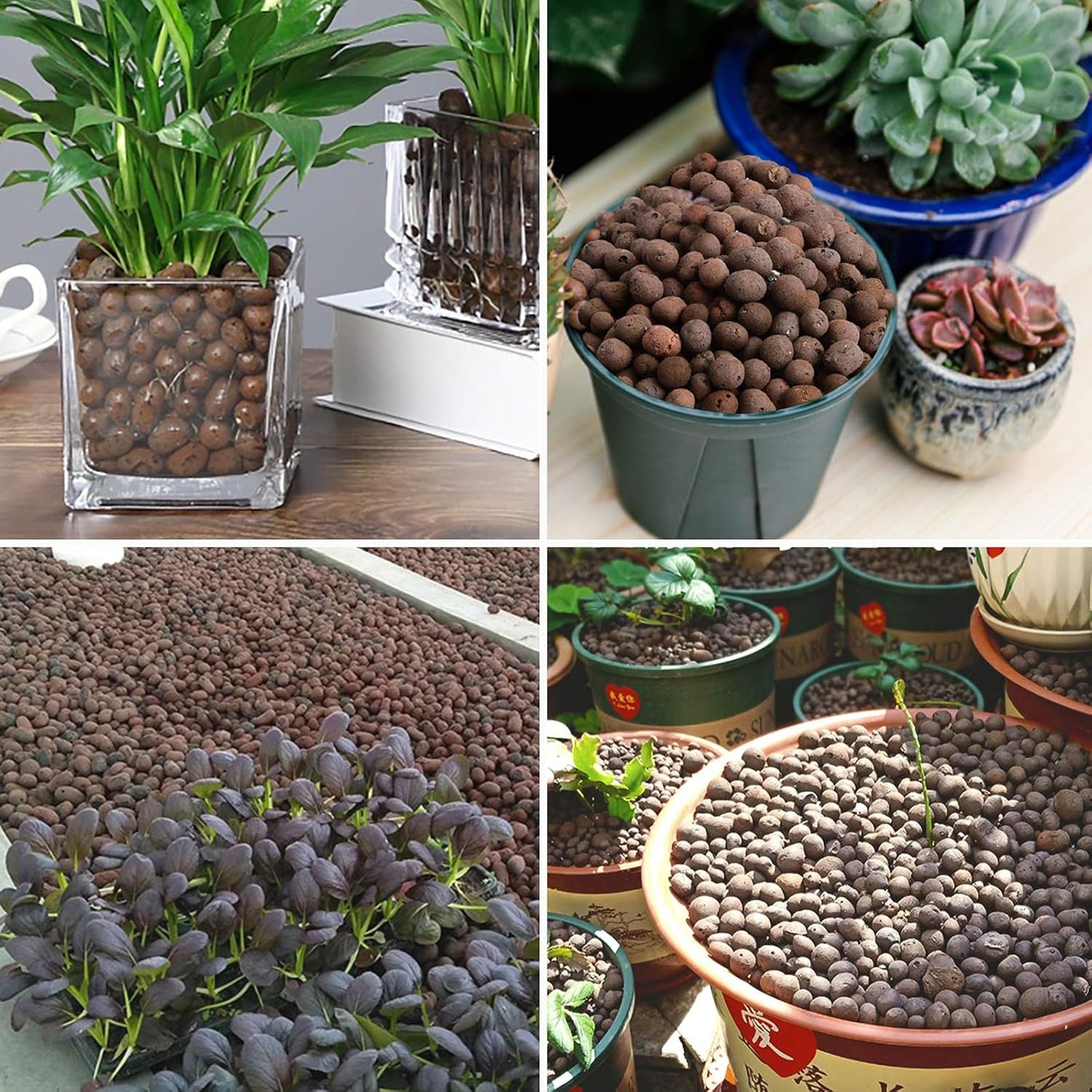
You can use them on their own in a net cup, as a base layer in a decorative pot, or as a top dressing over soil to keep the surface tidy and hold the potting mix in place when you water. Some growers also use a shallow tray of pebbles under pots to raise humidity around the plant. The pebbles do not care which job you give them.

Give the bag a rinse in clean water before the first planting. Expanded clay carries fine dust from manufacturing, and a quick wash stops that dust clouding your reservoir. When a crop is done, tip the pebbles out, rinse them, let them dry and store them in a dry spot ready for the next round.

Not sure yet? That is fine.

You can change your mind. This shop's own returns policy gives you 15 days from delivery to send it back in its original packaging with proof of purchase, with buyer-paid return postage.

If goods are faulty, damaged or misdescribed, contact us for the remedy required by the Consumer Guarantees Act 1993. The appropriate repair, replacement or refund and reasonable return costs depend on the circumstances; change-of-mind conditions do not apply to statutory remedies. Read the full detail on our refunds and returns page, or ask us anything before you order.

Frequently Asked Questions

What exactly are clay pebbles?

They are small balls of clay that have been fired at high heat until they expand, leaving a hard outer shell and a network of air pockets inside. That structure is what makes them light and porous. Growers often call them LECA, which is short for lightweight expanded clay aggregate.

How much is in this bag?

The bag holds 907 g, which is roughly 2 lb. Because expanded clay is light for its volume, that weight fills a useful amount of space. It suits a few small pots, a set of net cups or a single medium container.

What size are the individual pebbles?

They range from 6 mm to 18 mm. The mixed sizing is normal for expanded clay and it works in your favour, since the smaller balls fill gaps while the larger ones keep air channels open.

Are these suitable for hydroponics?

Yes, expanded clay is one of the most common hydroponic growing media for home setups. The pebbles support the plant while water and nutrient solution move freely around the roots. They work in net cups, flood and drain systems and simple passive setups.

Will they change the pH of my nutrient solution?

The pebbles are pH neutral and inert, so they are not designed to shift your solution one way or the other. You should still check your water with a meter or test kit as part of your normal routine. Any pH drift usually comes from the plants and the feed, not the medium.

Do I need to rinse them before use?

Yes, give them a good rinse in clean water first. Expanded clay carries fine clay dust from manufacturing and that dust can cloud a reservoir or settle in pump lines. A few minutes under running water in a colander is enough.

Can I reuse the pebbles?

You can. Tip them out at the end of a growing cycle, rinse them thoroughly, let them dry and store them somewhere dry. Reusability is one of the reasons people choose the best reusable growing media over single-use options.

Do they break down over time?

The pebbles hold their shape after soaking and do not dissolve into mud the way some loose media can. Handle them normally and they keep their structure. We do not make any specific lifespan claim.

What plants suit this medium?

Home growers typically use expanded clay for herbs like basil, mint and coriander, and for leafy greens such as lettuce, rocket and spinach. It also works for many houseplants moved into semi hydro. It is a general purpose medium rather than a specialist one.

Can I use them with houseplants in soil?

Yes. A layer at the bottom of a pot creates space for water to sit away from the soil, and a layer on top keeps the surface neat. Many people look for the best top dressing for houseplants and land on clay balls for exactly that reason.

How many pebbles do I need per pot?

It depends on the pot. For a small net cup you might use a cup or two of pebbles. For a medium pot filled entirely with clay balls, expect to use a good portion of a 907 g bag. Buying two bags is sensible if you are filling several containers.

Are they heavy to work with?

No, they are much lighter than the same volume of potting soil. That is one of the main practical benefits, especially for hanging planters or shelves where weight matters. A filled pot stays easy to lift and move.

Can I use them outdoors?

Yes, they can go in garden containers and outdoor pots. The pebbles are not easily blown away like some very light mulches, though strong wind and heavy rain can still move loose surface material around. Keep that in mind for exposed balconies.

Will they hold water?

The porous interior absorbs water and the gaps between pebbles drain freely. That combination gives you moisture near the roots and air at the same time. It is the reason clay pebbles for hydroponics stay popular with home growers.

Do I still need to water as often?

Watering frequency depends on your setup, your plant and your room conditions. In a passive semi hydro pot you top up the reservoir rather than watering the surface. In a drain to waste system you follow your usual schedule.

Can I mix them with potting soil?

Some growers add a handful to heavy mixes to open up the texture. It is a common approach and the pebbles will not react with the soil. Just remember they do not add nutrients.

Are they suitable for orchids?

Expanded clay is sometimes used in orchid pots because it leaves plenty of air space around the roots. Many people search for the best clay pebbles for orchids for this reason. Check what your particular orchid species prefers before you repot.

Can I use them in a humidity tray?

Yes. Spread a layer in a shallow tray, add water to just below the top of the pebbles and sit your pot on top. The pot stays out of standing water while the surrounding air picks up moisture as it evaporates.

Do they attract fungus gnats?

Clay pebbles hold no organic matter, which is why some indoor growers move away from soil surfaces. Gnats generally need damp organic material to breed. Conditions in your room and your watering habits still play a part.

How do I clean used pebbles?

Rinse away loose debris, pick out any root pieces by hand, then wash the pebbles in clean water until the runoff is clear. Let them dry fully before storing. Some growers soak them in plain water overnight first to loosen stubborn material.

What colour are they?

The listing does not specify a colour for this product. Expanded clay is generally a fired brown to reddish shade, but we cannot confirm the exact tone of this batch from the supplied information.

Where are they made?

Country of origin is not specified in this product record, so we are not able to confirm it. The listed brand is Malifea and the model number is cp2lbs.

What are the package dimensions?

The packaged product measures 20.32 x 6.35 x 29.21 cm and weighs 907 g. That makes it a compact parcel that fits easily in a cupboard or on a shelf with your other hydroponics supplies.

Can I use them for seedlings?

Smaller pebbles can support seedlings once they have roots, usually in a net cup with a plug or starter cube. Many growers raise seeds in a rockwool or sponge plug first, then set that into the best hydroponic growing media once roots show.

Do they need any treatment before each reuse?

A thorough rinse is the main step. Make sure no old root material is left behind, since that can break down in your reservoir. Dry storage between cycles keeps things simple.

Can I use tap water with them?

Most home growers use tap water, often after letting it stand. The pebbles themselves are inert and do not react with it. Your plant and your feed schedule determine what water treatment suits you.

Are two bags better than one?

If you are filling more than one medium pot or running several net cups, a second bag saves you topping up mid project. It also leaves you a spare supply for when you repot. Many buyers start with one bag and add more once they know their volume.

Can I give these as a gift?

They make a practical add on for someone starting an indoor herb garden, especially paired with a net cup or a small planter. Clay pebbles are a useful stocking filler for a plant enthusiast rather than a standalone present. Add a card at checkout if you would like one included.

How long does delivery take?

Delivery is New Zealand wide. Orders are dispatched within 2 working days and then arrive within 7 working days by tracked courier. Delivery is free on orders of $50 or more, and a flat $22.00 otherwise.

Can I return it if it is not right for me?

Yes. You can return it within 15 days of delivery under our refunds and returns policy, which also explains how to send it back and who pays the return postage. Your rights under consumer law are not affected.

Clay Pebbles Buyer's Guide, Choosing and Using Expanded Clay Growing Media

6 min read Hydroponics Company New Zealand

The problem with soil indoors

Soil works. It has worked for a very long time. But bring it inside and a few things start to grate.

It is heavy. A 20 cm pot of damp potting mix is a surprising weight to lift onto a shelf. It compacts, so after a few months the roots are pushing through something closer to a brick than a growing medium. It holds organic matter, which means it holds moisture at the surface, which means gnats. And when you water it, fine particles wash out of the drainage holes and stain whatever the pot is sitting on.

None of that is a disaster. It is just friction. And if you are growing herbs on a kitchen bench or leafy greens under a light in the spare room, that friction adds up.

Expanded clay pebbles are one way around it. They are clay balls fired until they puff up, like popcorn made from rock. Each ball has a hard outer shell and a maze of air pockets inside. That gives you something light, something that drains, and something that will not turn to sludge in the bottom of a pot.

How expanded clay actually works

The useful part is the combination of two things that usually fight each other, water and air.

Roots need both. Too much water with no air and roots sit in stagnant conditions. Too much air with no water and the plant dries out between waterings. Soil balances this through its structure, but that structure degrades as the mix compacts.

Clay pebbles handle it differently. The pebbles themselves are porous, so they soak water into their interior and hold it there. The spaces between the pebbles stay open, because the balls are hard and do not squash down. So you get moisture inside the medium and air in the gaps, and that stays true whether the pot has been planted for a week or a season.

This bag contains pebbles between 6 mm and 18 mm. That mixed sizing is deliberate rather than a sign of poor sorting. Smaller pebbles settle into the gaps left by larger ones and carry more moisture per handful. Larger ones keep bigger air channels running through the pot. Together they give a medium that is neither too loose nor too tight for most home growing.

The other thing worth knowing is that expanded clay is inert and pH neutral. It does not feed the plant and it is not designed to push your water acidic or alkaline. If you are mixing a nutrient solution for basil or lettuce, that is exactly what you want. The medium holds the plant up and manages water. The feed does the feeding. Nothing unexpected in between.

Who this suits

Home growers running herbs and leafy greens are the obvious fit. Basil, mint, coriander, parsley, lettuce, rocket, spinach. These are plants with modest root systems that do well in net cups and small containers, and clay pebbles are a natural match.

Houseplant people moving to semi hydro are the other big group. If you have been watching your pothos or monstera struggle in a dense mix, switching to clay balls in a pot with a water reservoir is a well trodden path. The roots adapt over a few weeks and you move from guessing when to water to simply topping up a level you can see.

There is a third group that just wants the practical bits. A drainage layer in a decorative pot with no hole. A top dressing to stop soil splashing up the leaves when you water. A humidity tray under a fussy plant. Clay pebbles do all of those jobs without any special knowledge.

Who it suits less well: anyone growing something that genuinely wants a rich organic root zone and does not want to deal with feeding. If you are happy with soil and your plants are happy too, there is no reason to change.

How to choose and how much to buy

Volume is the question people get wrong first. Weight is a confusing way to buy a bulky material, because expanded clay is light. This bag is 907 g, which sounds modest but goes further than the number suggests.

As a rough guide, one bag fills several small net cups comfortably, or gives you a drainage layer across a few medium pots, or fills one medium pot top to bottom. If you are setting up more than that, order two. Running out halfway through a repotting session is annoying, and having spare pebbles on hand means you can refresh a pot whenever you want.

Pebble size matters less than people expect for home use. The 6 to 18 mm range here covers small and medium containers well. Very large pebbles suit big outdoor planters where drainage is the priority. Very fine grades suit propagation. This middle range is the general purpose option, which is why it shows up in most starter hydroponic setups.

One more consideration. If you are using a pump system, think about mesh and filter sizes. The pebbles themselves will not pass through a net cup, but the dust that comes off a new bag can settle in lines. That brings us neatly to the one step people skip.

Rinse first, always

New expanded clay carries fine clay dust from manufacturing. It is not a flaw, it is just what happens when you fire and tumble clay.

Tip the pebbles into a colander or a bucket and run clean water through them, stirring with your hand, until the water comes out clear instead of cloudy. It takes a few minutes. Skip it and you will get a hazy reservoir, sediment in the bottom of your system and possibly some grit where you do not want grit.

Some growers soak the pebbles for a few hours afterwards so they go into the pot already saturated. That is optional but sensible, particularly in a passive setup where dry pebbles would otherwise pull water away from the roots while they fill up.

Looking after them between crops

This is where clay pebbles earn their keep. When a crop finishes, you do not throw the medium out.

Tip everything into a bucket. Pull out the old root mass by hand, then rinse the pebbles under running water until the runoff is clean. If there is stubborn material clinging on, a soak in plain water overnight loosens it. Rinse again, spread the pebbles out and let them dry fully before you bag them up.

Dry storage matters. Put damp pebbles in a sealed container and you will find something unpleasant growing on them next time you open it. A breathable bag or an open tub in a dry cupboard is fine.

Over time pebbles can pick up mineral deposits from your water and feed. A rinse handles most of it. Some growers soak in a dilute vinegar solution for stubborn build up, then rinse very thoroughly afterwards. Whether you bother depends on your water and how much you care about appearance.

A few honest limitations

Clay pebbles are not magic. They hold less water than soil per unit volume, so in a free draining pot with no reservoir you will be watering more often, not less. That is the trade off for all that air.

They also carry no nutrition. In soil, the mix itself provides something for the plant even if you forget to feed. In clay pebbles, if you forget to feed, the plant gets nothing. Set a reminder.

And they are not silent. Pour a bag into a metal pot and it sounds like a hailstorm. Minor, but it surprises people.

The short version

Expanded clay pebbles are fired clay balls that hold water inside and keep air moving between them. This bag has 907 g of pebbles sized 6 to 18 mm, which suits small and medium pots, net cups and container plants. They are light, inert and pH neutral, so they support the plant and stay out of the way of your feeding.

Rinse before first use. Feed consistently, because the medium gives nothing on its own. Wash and dry them between crops and put them straight back to work.

If you are growing herbs or leafy greens at home and the mess and weight of soil is wearing thin, this is a straightforward place to start.

Browse the shop

Not sure how many bags you need?

Message our team with your pot sizes or the number of net cups you are running and we will help you work out the right quantity.

Ask us a question

Page summary

This product is a 907 g bag of expanded clay pebbles, listed under brand Malifea, model cp2lbs. The pebbles measure 6 to 18 mm, a size suited to small and medium pots, net cups and garden containers. The material is light compared with potting soil, porous, inert and pH neutral, and the balls hold their shape after soaking rather than breaking apart. They can be rinsed and reused across growing cycles, and a rinse before first use removes manufacturing dust. Typical uses include hydroponic systems for herbs and leafy greens, drainage layers in pots, top dressing over soil and humidity trays. Package dimensions are 20.32 x 6.35 x 29.21 cm. Colour, exact material composition and country of origin are not specified in this record.